🌿 100% Wood Pressed  ·  No Chemicals  ·  Free Delivery above ₹500 | 📞 Call us: +91 79937 99354

Stories & Wisdom

Ancient knowledge behind every bottle of PL Organics.

← Back to Home

Introducing A2 Desi Cow Ghee — Bilona-Churned, the Way Grandmothers Made It

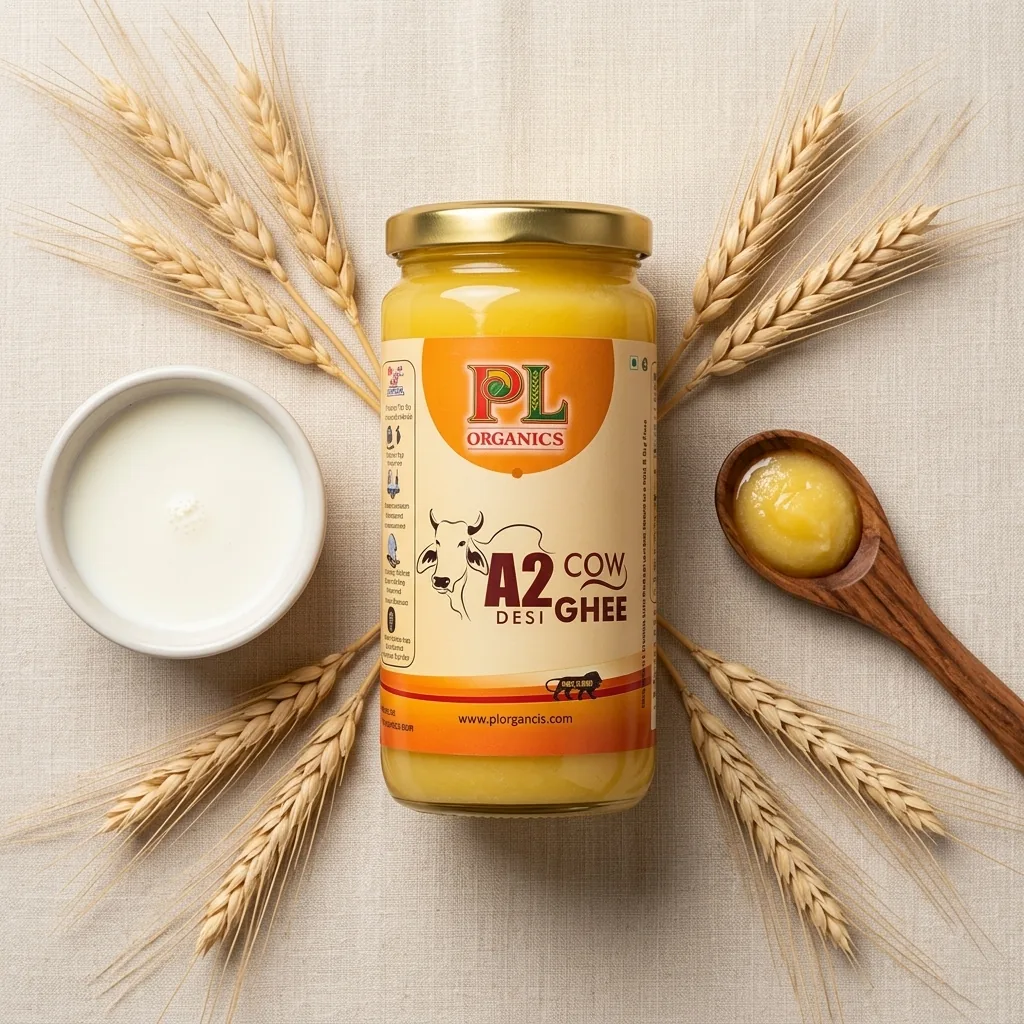
A2 Desi Cow Ghee jar with wheat, milk and a spoon of golden ghee
🐄

After years of pressing pure oils for your kitchen, we are proud to add something our grandmothers would instantly recognise: A2 Desi Cow Ghee, hand-churned by the traditional bilona method. No palm oil, no machine cream-separation, no shortcuts — just golden, grainy, aromatic ghee made the slow way from pure A2 milk.

What Makes A2 Desi Ghee Different

Most commercial "ghee" is made by melting factory butter or, worse, blending vegetable fats. Our ghee starts with milk from humped desi (Gir) cows — the native Indian breed whose milk carries the A2 beta-casein protein, gentler on digestion than the A1 milk of crossbred cattle. That milk is the foundation of everything that follows.

Because we never over-heat or chemically process it, the ghee keeps the nutrients nature put there: fat-soluble Vitamins A, D, E and K, healthy short-chain fats, and the deep nutty aroma you only get from a slow simmer. It is the same ghee tradition Ayurveda has prized for thousands of years for digestion, immunity, joints and daily energy.

"Good ghee is not manufactured — it is churned. You can smell the difference the moment the jar opens."

How We Make It — the Bilona Way
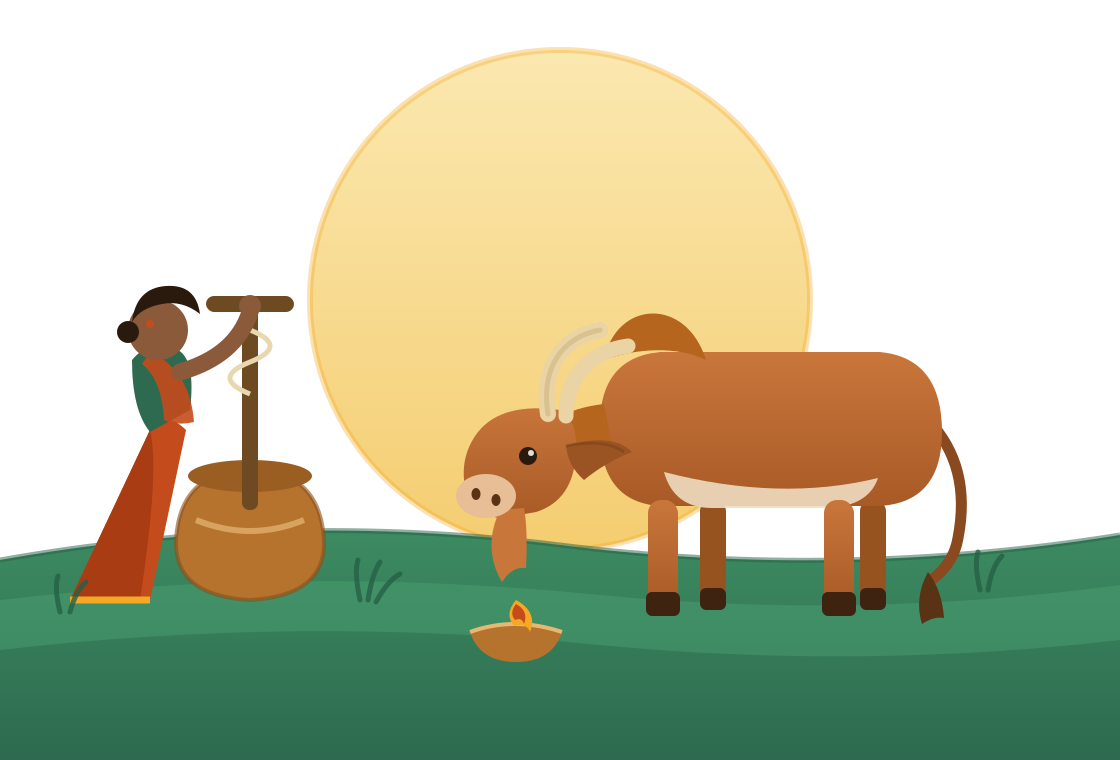
A woman hand-churning curd with a wooden bilona beside a desi cow

The bilona method is slow on purpose. Every jar of our ghee travels through five unhurried steps:

1. Gir cow milk. Pure A2 milk from humped desi cows, collected fresh.
2. Natural curd. The milk is cultured and set into curd the traditional way, never skipped or rushed.
3. Bilona churning. The curd is hand-churned with a wooden churn until butter (makkhan) rises — we never machine-separate cream.
4. Slow heating. The butter is simmered gently over low heat until it turns to clear, golden, grainy ghee.
5. Bottled fresh. Sealed with care, ready for your kitchen.

Health Benefits

Real bilona A2 ghee earns its place in a daily diet:

• Rich in Vitamins A, D, E & K plus healthy fats
• Supports digestion and lubricates joints
• Boosts immunity and steady daily energy
• A2 milk fat — gentler than A1, no palm oil, no trans fat
• A great everyday choice for growing kids

How to Use It

A spoon over hot rice and dal, tempering for curries, greasing the first dosa, a drizzle on khichdi, or simply a teaspoon on an empty stomach in the morning. Ghee has a high smoke point, so it is excellent for everyday Indian cooking and deep flavour.

Available Now

A2 Desi Cow Ghee is available in three sizes — 1 Litre (₹2,500), 500ml (₹1,300) and 250ml (₹675). Start with the 1 Litre if it is for the family kitchen, or the 250ml to taste the difference first.

Taste real bilona ghee — pure A2, churned the traditional way.

Buy A2 Desi Cow Ghee
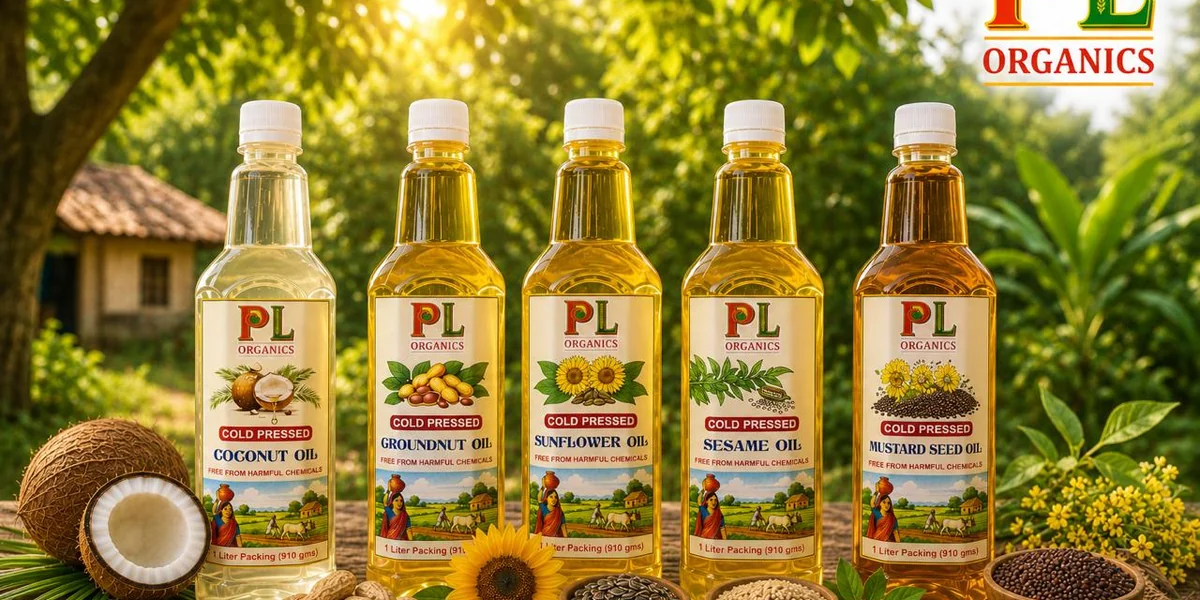
Why Wood Pressed Oil Is Better for You

Wood pressed oil
🌿

Walk into any modern supermarket and you will find rows of sunflower, groundnut, or refined palm oil — all labelled "refined", "pure", or "healthy". But what exactly happens to an oil seed before it becomes that crystal-clear liquid in a plastic bottle? The answer will change how you shop forever.

What Refining Actually Does

Commercial oil refining is a multi-step chemical process. Seeds are first crushed at very high temperatures — often above 120°C — and then mixed with a petroleum-derived solvent called hexane to extract every last drop of oil. The mixture is then degummed, neutralised with caustic soda, bleached with activated clay, and finally deodorised under a vacuum at temperatures exceeding 240°C. By the time the oil reaches your bottle, it has been through six aggressive industrial steps.

At each step, something valuable is lost. Vitamin E — the primary antioxidant in groundnut oil — is destroyed at high temperatures. Natural phospholipids that support liver health are removed during degumming. The trace minerals, the flavour compounds, the omega fatty acids: all progressively stripped away. Refined groundnut oil loses up to 40% of its natural Vitamin E content. Refined sesame oil loses its characteristic antioxidant sesamol almost entirely.

"Our great-grandmothers used one oil for everything — cooking, hair oiling, oil pulling, lamp lighting. It was rich enough to do all of that. That oil came from a wooden ghani."

The Cold Press Difference

Wood pressed oil — also called cold pressed, chekku, or ghani oil — skips every one of those industrial steps. At PL Organics, seeds are loaded into a traditional wooden press and turned slowly by a mechanical drive at less than 35°C. That is roughly body temperature. At that temperature, the seed releases its oil naturally without breaking down the heat-sensitive compounds inside.

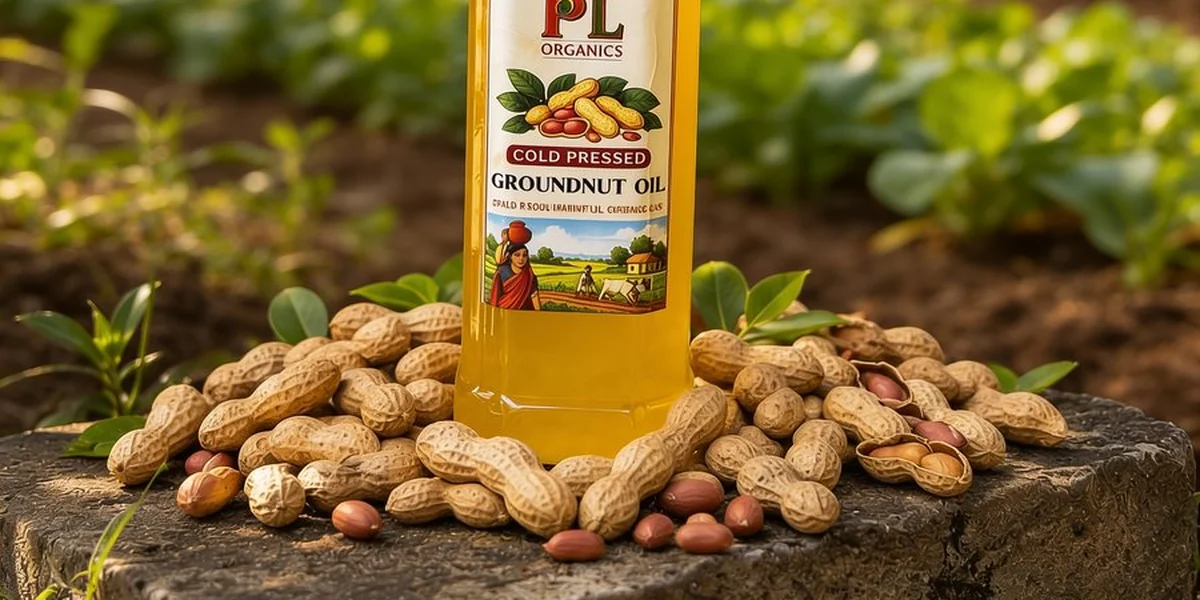
The result is oil that retains its full Vitamin E content, its natural antioxidants, its phospholipids, its characteristic colour and aroma. Our groundnut oil is a deep amber — not the pale yellow of refined oil — because the carotenoids are still intact. Our sesame oil has that distinctive earthy fragrance because sesamol and sesamin have not been burned off.

Why Heat and Chemicals Matter

The principle is simple and well understood: tocopherols (Vitamin E), polyphenols, and many flavour compounds in oil seeds are heat-sensitive and react with the solvents used in industrial refining. The high temperatures and hexane extraction of commercial processing strip away a meaningful share of these nutrients, while a slow, low-temperature press keeps far more of them intact. That is why cold-pressed oil keeps its natural colour, aroma, and antioxidant content — the very things refining removes.

More practically: people who switch to wood pressed oils consistently report that their food tastes richer with less oil used, that digestion feels lighter, and that chronic skin issues related to refined oil consumption often reduce. These are not marketing claims — they are what our customers in Hyderabad, Vijayawada, and Nalgonda tell us week after week.

Ready to taste the difference? Our groundnut oil is pressed this week.

The Wooden Ghani: 5000 Years of Tradition

Traditional wooden ghani press
🪵

In Telugu, we call it చెక్కు — chekku. In Hindi, it is the kolhu or ghani. Across India, for at least 5000 years, every household that needed cooking oil sent its seeds to the local chekku operator. You would bring your own seeds, watch them press your oil, and carry home a freshly pressed bottle that afternoon.

How a Wooden Ghani Works

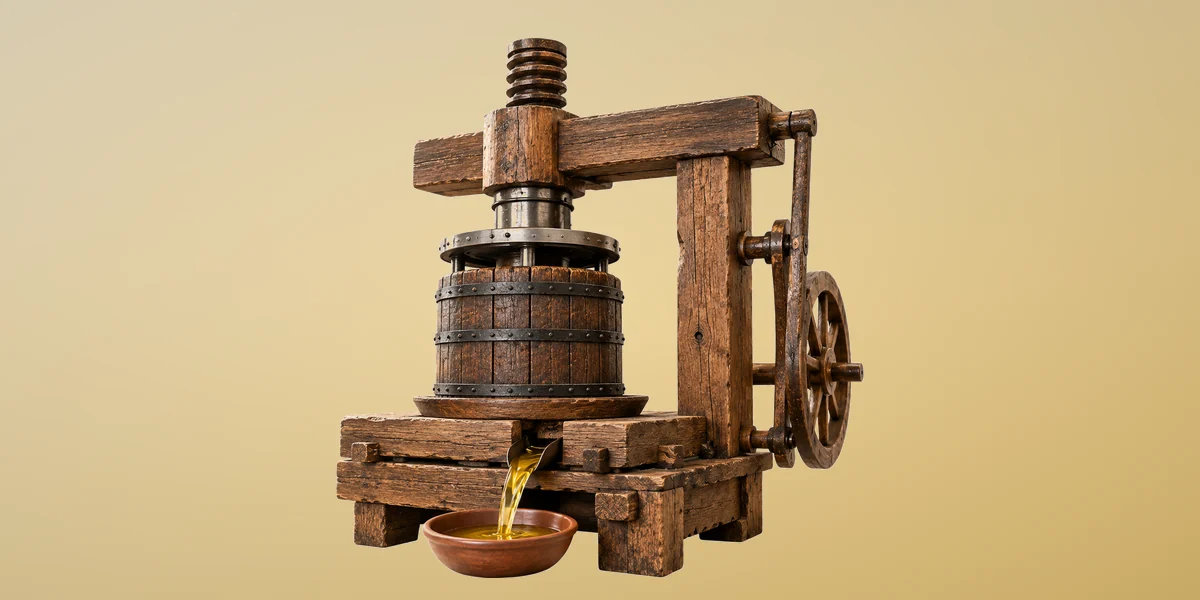
A traditional wooden ghani is essentially a large wooden mortar and pestle. A heavy cylindrical wooden beam — the pestle — rotates inside a wooden trough. As it rotates, seeds loaded into the trough are crushed under immense pressure. The crushing is slow and gentle: a full batch of seeds takes 2–3 hours to press, compared to the few minutes of a modern hydraulic press.

That slowness is the secret. Because there is no high-speed mechanical friction, and because wood conducts heat poorly, the temperature inside the press stays below 35°C — roughly body temperature. The seeds are essentially squeezed, not cooked. The oil flows out of the wood grain like water from a sponge, carrying every flavour compound, antioxidant, and vitamin with it.

"When our grandmothers said chekku oil is medicine, they were not being poetic. Science now confirms every word." — PL Organics founder

Why the Tradition Was Abandoned

The wooden ghani began disappearing from Indian villages in the 1970s and 1980s as industrial oil mills expanded. A hydraulic press could process in 10 minutes what a wooden ghani took 2 hours to do. The price of commercial refined oil dropped dramatically — partly because hexane extraction yields 10–15% more oil from the same seeds, and partly because the cheap refined product was heavily subsidised and distributed through ration shops.

Over one generation, the community chekku operator — a fixture of every South Indian village for millennia — all but vanished. With him went not just the oil, but a relationship: you knew who pressed your oil, you knew which farm the seeds came from, and you tasted the freshness every time you cooked.

What PL Organics Is Reviving

We operate motorised wooden ghanis — same wooden mortar-and-pestle principle, driven by a motor instead of bullocks. Same slow rotation. Same low temperature. Same small batch of seeds loaded by hand. The only difference is we can press more reliably and deliver to your door the same day.

Every bottle of PL Organics oil is pressed in batches of 20–30 litres at a time. We do not stockpile. We press weekly — sometimes twice a week during high demand — so that the oil reaching you was made within the last 7 days. That freshness is something no supermarket shelf can offer.

Experience the 5000-year tradition in your kitchen. Small batches pressed this week.

Local Variety Groundnuts from Nalgonda: Why the Seed Matters

Groundnut farmers in Nalgonda
🌾

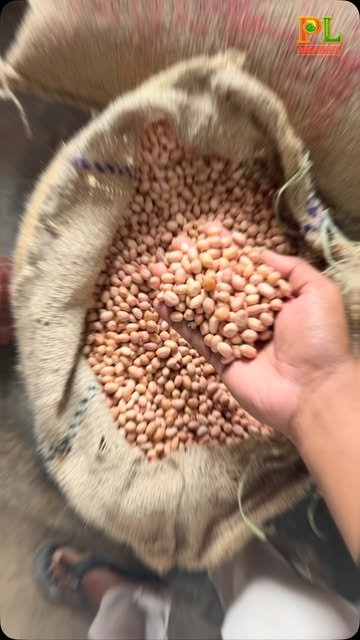
Most people think about how an oil is made. Very few think about where the seed came from. At PL Organics, the seed is where the story begins — and the Kadiri-6 groundnut variety, native to the red soils of Nalgonda and Kurnool, is why our groundnut oil tastes different from anything else you have tried.

What Makes the Kadiri-6 Special

The Kadiri-6 is a traditional, open-pollinated groundnut variety developed and maintained through generations of seed-saving in the Andhra-Telangana region. It is not a high-yielding commercial variety — it produces 15–20% less per acre than hybrid seeds. But what it lacks in yield, it compensates richly in oil quality.

Kadiri-6 seeds contain 48–52% oil by weight, compared to 42–44% in most commercial hybrid varieties. More importantly, that oil has a higher concentration of oleic acid (the heart-healthy fat that makes olive oil famous) and a richer flavour profile — the deep, roasted peanut aroma that you smell when you open a bottle of real chekku groundnut oil.

Our Network of 20+ Individual Farmers

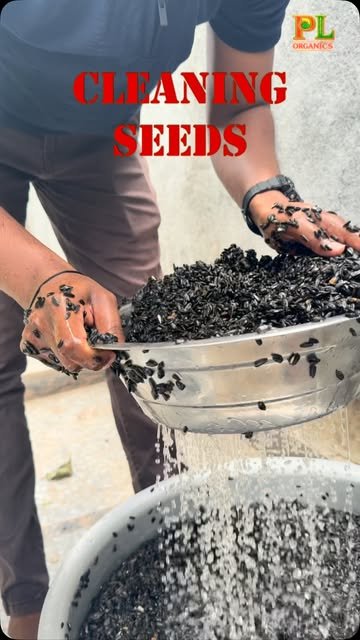
PL Organics sources groundnuts from 20+ individual smallholder farmers across Nalgonda, Suryapet, and Kurnool districts. These are not contract farms or aggregated wholesale lots. Each farmer is known to us by name. We visit their fields at harvest, grade the seeds ourselves, and pay a premium above market rate for seeds that meet our quality threshold.

Why so many small farmers instead of one large farm? Because the Kadiri-6 is still largely maintained by traditional farming families who saved seeds from their best plants year after year. A single large commercial farm would most likely grow a higher-yielding hybrid. The diversity of our sourcing also means we are never dependent on a single crop's success — if one district has a difficult monsoon, others compensate.

"I grow the same seeds my grandfather grew. The oil from these is thicker, darker, and more fragrant — that is not something a factory can make." — a sentiment we hear again and again from the farmers we work with.

Pesticide-Free by Practice, Not Just Policy

All of our sourcing partner farmers practice low-input agriculture. Most use no synthetic pesticides, relying instead on neem oil, intercropping with pest-repellent plants, and traditional soil management using cattle manure and crop rotation. This is not certified organic farming in the commercial sense — these farmers have not paid for certification. But the practice is what matters.

Before accepting a batch, we inspect seeds for visible signs of chemical treatment and conduct a basic food-safety quality check. Batches that do not meet our standard are returned. This process adds cost and complexity — but it is what separates an oil you can trust from a commodity product where nobody tracked anything.

Why Fresh Seeds = Better Oil

Groundnut oil begins to oxidise from the moment the seed is cracked. In commercial supply chains, seeds may sit in godowns for 6–18 months before pressing. Oxidised seeds produce oil that is harsh, slightly bitter, and low in antioxidants. At PL Organics, seeds are pressed within 4–6 weeks of harvest. The resulting oil has lower free fatty acid content (a freshness marker), more vibrant flavour, and significantly higher Vitamin E retention.

When you taste our groundnut oil for the first time — especially if you drizzle a few drops on rice or roti without cooking it — you will understand immediately what we mean by fresh. There is no bitterness, no chemical aftertaste, no heat. Just the clean, deep, roasted flavour of a Nalgonda groundnut pressed this week.

Order Kadiri-6 groundnut oil pressed from our farmer network this week.